Game ComparisonThe original 3DS game and the Switch follow-up
Tomodachi Life 3DS vs Living the Dream: What Changed?
Both games build a small, surprising world around Miis, but they are separate releases with different platforms, island tools, roster limits, and sharing rules. Here are the confirmed differences that matter when choosing where to play.
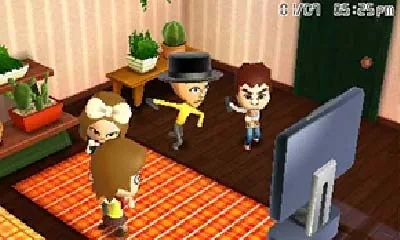
Original-game screenshot reproduced in Nintendo's 3DS electronic manual, page 11.
Same social-sim idea
You create Miis, respond to their needs, and watch unexpected relationships and events unfold.
Different roster caps
Nintendo's manual lists up to 100 residents in the 3DS game; the current Switch FAQ lists up to 70.
No assumed transfer
Nintendo documents separate Mii and sharing rules. Do not plan around a 3DS save or roster moving into Living the Dream.
Quick answer: Living the Dream keeps the premise and changes the island
Tomodachi Life 3DS vs Living the Dream compares the original handheld game with a separate Switch release. Both center on player-made Miis, their needs, relationships, and unscripted moments; neither is simply a new edition of one shared save.
The biggest verified differences are platform, roster limit, island emphasis, and Mii-sharing rules. The 3DS manual lists up to 100 Miis and describes Local Play, SpotPass, and StreetPass. Nintendo lists up to 70 Miis in Living the Dream, plus TV, tabletop, and handheld modes.
Choose 3DS for its handheld routine and larger cap, or Switch for the newer island and creative focus. No cited Nintendo source promises that an old save or roster migrates.
Tomodachi Life 3DS vs Living the Dream at a glance
This table separates shared ideas from differences confirmed by Nintendo's manual, product page, and FAQ. It does not rank subjective humor or event preferences.
Question
Tomodachi Life on 3DS
Living the Dream on Switch
Platform
Nintendo 3DS family.
Nintendo Switch; TV, tabletop, and handheld modes.
Core loop
Create Miis, help with problems, observe island life.
Care for Miis within the newer island and social systems.
Resident limit
Up to 100, according to the manual.
Up to 70, according to Nintendo's FAQ.
Island
Map, apartments, and places added as you progress.
Nintendo highlights island customization and a wider layout.
Sharing
Manual lists Local Play, SpotPass, StreetPass, QR patterns, and item exchange.
System and Miitopia Miis are supported; new-game Miis cannot transfer out.
Save transfer
Manual describes the original game's own save and sharing.
The cited pages do not confirm a 3DS save or roster transfer.
The Mii limit is 100 on 3DS and 70 in Living the Dream
Nintendo's 3DS manual sets the original game's island maximum at 100 Miis. Its current Living the Dream FAQ sets the Switch game's creation limit at 70. Use these official figures instead of estimates or pre-release claims.
A higher cap is not a content score. One hundred spaces allow a larger cast; seventy can be easier to curate. Neither maximum proves how many events or relationship scenes a player will see.
The FAQ says Living the Dream can use system and Miitopia Miis, but its newly created Miis cannot transfer to other games. It does not establish a 3DS save, relationship, or item import.
Island design is a bigger part of the Switch presentation
The 3DS manual describes a progress-based map, Mii Apartments, shops, and other places. Its compact island still grows around residents and their daily events.
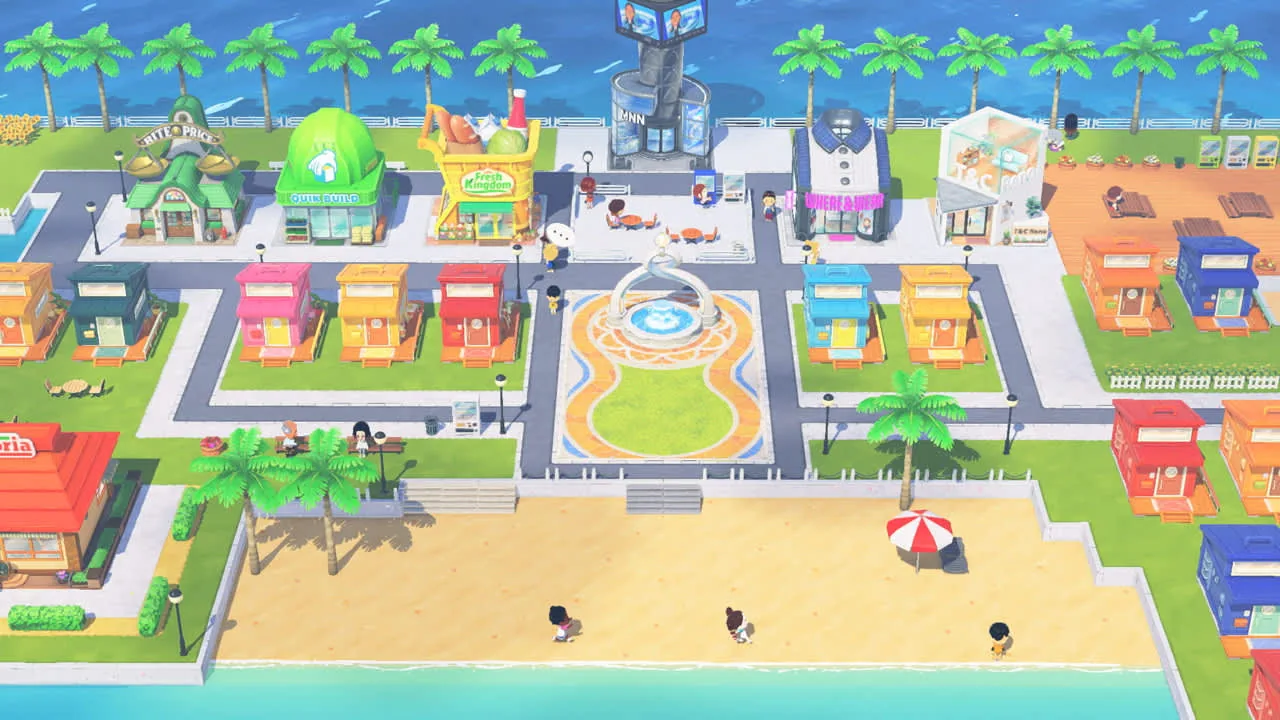
Nintendo's Switch product page foregrounds island customization and shows homes, shops, public space, and shoreline. The newer island is something to shape as well as a place where Miis live; official screenshots do not promise identical layouts for every player.
Choose the original for its map-and-apartment routine or the Switch game for a stronger design focus. Use current design guidance before applying an old 3DS layout.
Official Nintendo Switch product imagery shows the island as a space with several connected districts.
Sharing systems are version-specific, so treat migration claims carefully
The 3DS manual describes Local Play, StreetPass, SpotPass, QR patterns, and item exchange. It documents the original design, not whether every legacy network service still works today.
Nintendo's Switch FAQ allows system and Miitopia Miis, and says Miis created in Living the Dream cannot transfer to other games. It does not announce a 3DS save converter, roster merger, or item transfer.
Treat the islands as separate starts unless Nintendo publishes a procedure for the exact data you want. Recreating a Mii does not migrate relationships, progress, apartments, or items.
3DS manual: Local Play, StreetPass, SpotPass, and QR-related features are described for the original game.
Switch FAQ: system Miis and Miitopia Miis can be used in Living the Dream.
Switch FAQ: Living the Dream-created Miis cannot be transferred to other games.
The cited sources do not confirm migration of a complete 3DS save, relationships, or items.
The social loop feels familiar, while the details belong to each release
The 3DS manual describes making Miis from people you know, helping with their problems, and watching island life unfold. That open-ended routine is the series' shared appeal.
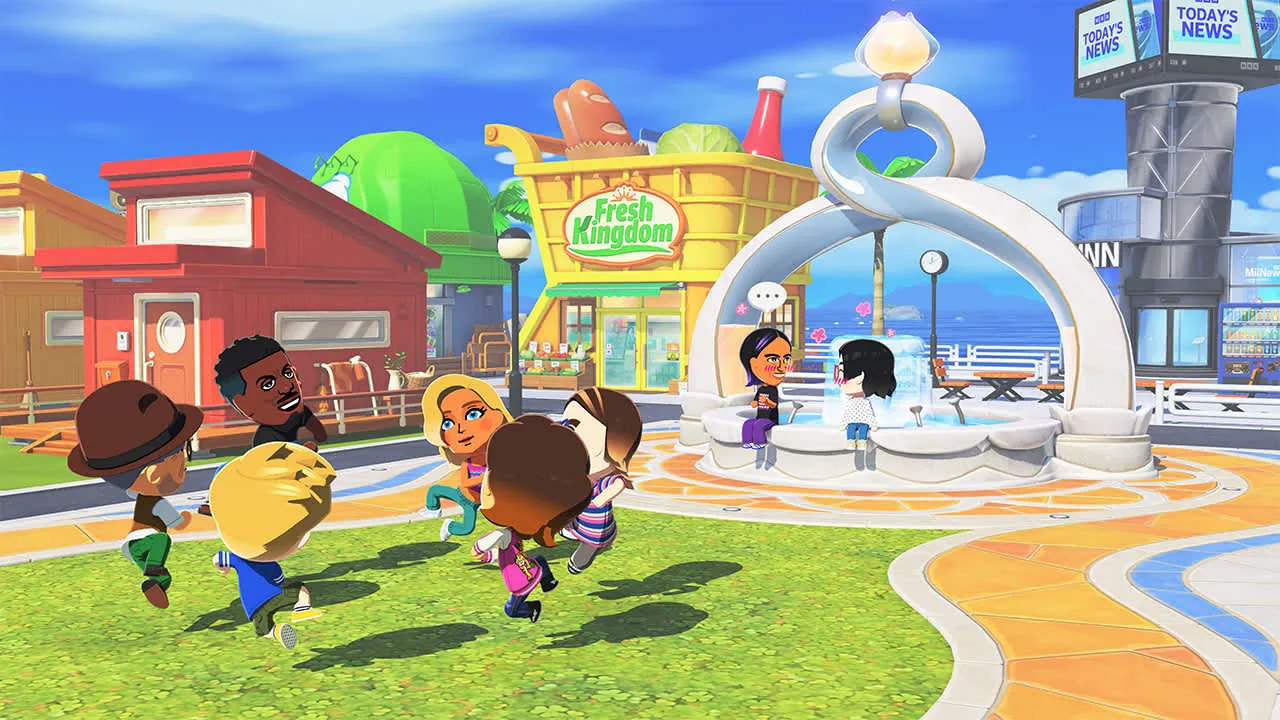
Living the Dream keeps the Mii-centered identity but has its own island and rules. Nintendo's media shows residents in public areas; an image cannot prove hidden formulas or guarantee a relationship event.
Both games invite you to observe and respond. Check the version you play for exact relationship prompts and outcomes.
Official Switch gameplay imagery illustrates the newer game's public social spaces.
The hardware changes how each island fits into your day
The 3DS manual describes using system controls and tapping the touch screen to visit a Mii's room. Its two-screen handheld format suits portable sessions.
Nintendo lists TV, tabletop, and handheld modes for Living the Dream. Its product page says compatibility may differ on Switch Lite, so check current support for your console.
Choose the original for 3DS play or the Switch release for its listed modes. This is a hardware preference, not a claim that one game's controls are better.
There is no universal winner. Start with the hardware you own, then decide whether a larger cast or more visible island design matters more.
1
Choose the 3DS original for its specific routine
Pick it for compatible 3DS hardware, its 100-Mii ceiling, and its two-screen routine. The manual does not confirm current status for every legacy online service.
2
Choose Living the Dream for the current Switch island
Pick it for the newer island, listed Switch modes, and system or Miitopia Mii support. Plan for the official 70-Mii maximum.
3
Keep them separate if save continuity is essential
Wait for Nintendo to document the exact save or data transfer you need; the linked sources do not verify a 3DS migration.
What official sources leave open
Nintendo's sources establish platform, Mii limits, broad island presentation, and selected sharing rules. They do not list every hidden event, relationship probability, unlock day, or dialogue difference. Player preferences about humor and pacing are subjective, not universal mechanical advantages.
No complete 3DS save migration is confirmed.
The manual is not a current legacy-service status notice.
Check Nintendo support for console compatibility and hidden-feature questions.
Tomodachi Life 3DS vs Living the Dream FAQ
Is Living the Dream a remake of the 3DS game?
Nintendo lists Living the Dream as a separate Switch title with its own island, modes, and rules. The sources do not establish a shared save.
How many Miis can each game have?
Nintendo's 3DS manual says up to 100 Miis can live on the original island; its current Switch FAQ sets Living the Dream's limit at 70.
Can I transfer my 3DS Miis or save to Living the Dream?
The linked pages do not confirm a 3DS save or island transfer. The Switch FAQ allows system and Miitopia Miis, but says newly created Living the Dream Miis cannot transfer out.
Does the 3DS game have more content because its cap is higher?
No. A higher cap allows a larger roster, but it does not prove that players will see more events or prefer the mechanics.
Which version is better for a returning player?
Choose 3DS for its original handheld routine, or Switch for the newer island and listed modes. If progress transfer matters, wait for Nintendo to document that path.